
Why written feedback matters on italki
italki students usually book lesson by lesson or in small packages, and they can change tutors at any time. What keeps them coming back is the feeling that they are improving with you. A short, specific written summary after each lesson is one of the simplest ways to show that progress.
Many italki tutors teach conversation. Conversation lessons are fun, but they can feel shapeless afterwards: the student enjoyed the chat but cannot remember what they learned. Written feedback turns a good conversation into a lesson with clear outcomes.
This article covers what to include, how long to write, how to keep it consistent across many students and examples you can adapt. It describes good teaching practice for tutors on any marketplace; it does not describe italki's own tools or settings, which can change.
What to include in italki lesson feedback
What we did
One or two sentences on the topic and the activity. "We talked about your trip to Lisbon and practiced ordering in restaurants."
What you did well
One specific strength with evidence. "You described the whole trip in the past tense with only one slip."
Corrections
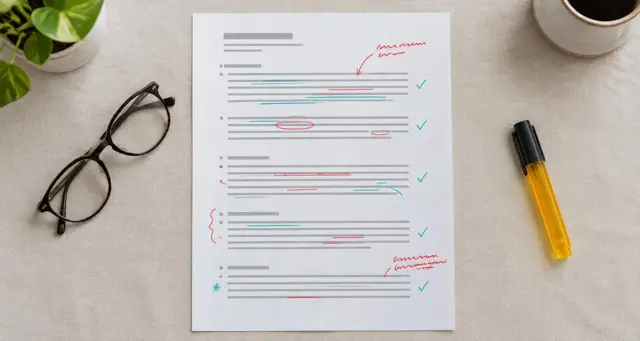
Three to five of the most useful corrections, each with the student's sentence and the better version. Conversation students value this section most because they cannot write down corrections while speaking.
New vocabulary
Five to ten words or phrases that came up, with a short example sentence for each. Students often copy these into their own flashcards.
Practice before next time
One small task, such as recording a one-minute voice message using three new phrases.
Next lesson
What you will start with next time, so the student books with a reason.
A complete example
Context: an intermediate Portuguese learner, forty-five-minute conversation lesson. The details are illustrative.
- What we did: We talked about your weekend in Porto and practiced describing food and places.
- What you did well: You kept the conversation going for the whole lesson and asked me four questions back. Your pronunciation of "pão" is now natural.
- Corrections: "Eu fui a Porto" becomes "Eu fui ao Porto." "Muito bom comida" becomes "comida muito boa." "Estou cansado de ontem" becomes "Ainda estou cansado de ontem."
- New vocabulary: a esplanada (outdoor café seating), a francesinha (Porto's famous sandwich), deslumbrante (stunning), a ponte (bridge).
- Practice: Record a one-minute message describing your favorite meal of the trip. Use two of the new words.
- Next lesson: Giving directions and asking for recommendations.
How long should italki feedback be?
Most good summaries are 100 to 250 words. That is long enough to include corrections and vocabulary, and short enough to read on a phone on the way to work.
If a student wants more detail, add it in the corrections section rather than in long explanations. Students reread corrections; they rarely reread paragraphs.
Keeping it personal across many students
Busy italki tutors often teach students from many countries at many levels. Consistency is what keeps feedback quick: same headings, same order, same tone. Personal is what keeps it valuable: the student's own sentences, their topics, their goals.
Use the student's name, mention something they told you about their life and link the next lesson to their reason for learning. A student learning Portuguese to talk with their partner's family should see that goal reflected in the feedback.
How feedback helps you get rebooked
- It shows progress. Students who can see they are improving are more likely to buy another package.
- It gives a reason to return. Ending with the next lesson's focus turns one lesson into a series.
- It sets you apart. Many tutors send nothing after conversation lessons. A consistent summary stands out.
- It builds trust. Specific corrections show you were listening closely, not just chatting.
Mistakes to avoid
- Only praise. "Great lesson" feels nice but gives the student nothing to practice.
- Too many corrections. Twenty corrections after a relaxed chat can feel like a test result.
- Corrections without context. Show the student's sentence and the better version, not just the rule.
- Late feedback. Send it the same day so the conversation is still fresh.
Writing italki feedback faster
Note corrections in a document while the student speaks, then tidy them into the summary right after the lesson. Keep a vocabulary list open during the call so new words go straight into it.
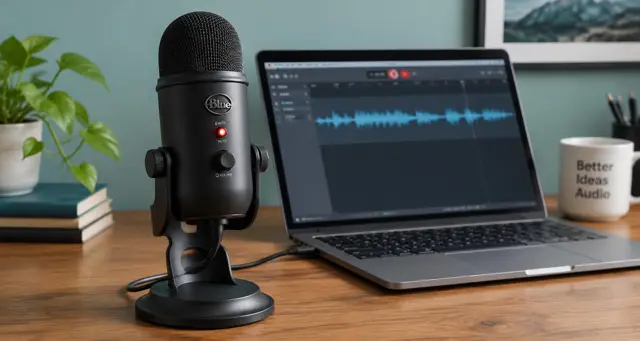
Jotmonk records the lesson in the browser, keeps the tutor's and the student's voices apart and drafts lesson notes with corrections and homework for you to review. You then copy the notes to wherever you share them with the student.
Feedback examples by level
Beginner (A1 to A2)
Keep it short and very encouraging. Use simple words, even in the language you are teaching. One correction, one new phrase, one task.
- Example: Great work today. You introduced yourself and your family. Remember: "I have two brothers", not "I have two brother". New phrase: "Nice to meet you." Practice: say your introduction out loud three times before Friday.
Intermediate (B1 to B2)
Students at this level can handle three to five corrections and want to know why. Add a short reason to each one.
- Example: You told the story of your trip clearly and kept going when you were unsure of a word. "When I arrived, the train already left" becomes "the train had already left", because it happened before you arrived. Practice: write the same story again using "had" twice.
Advanced (C1 to C2)
Advanced students want precision and register. Focus on the gap between correct and natural.
- Example: Your argument was well organized. "Make a research" is understandable but sounds unnatural; say "do research" or "carry out research". Try replacing "very important" with "crucial" or "essential" in formal writing.
Feedback for trial lessons
A trial lesson on italki is a decision point for the student. Feedback after a trial should do three things: show you listened, name the student's goal in their own words, and describe what the first month of lessons would look like.
Keep corrections to one or two. A trial student who receives a long list of mistakes can feel judged before they have committed. Close with a clear next step, such as the topic of the first full lesson, so booking feels like continuing rather than starting again.
Questions italki tutors ask about feedback
Should I send feedback after a first lesson?
Yes. A short summary after a first lesson shows the student what regular lessons with you will feel like.
What if a student does not want corrections?
Ask what they prefer. Some conversation students want only vocabulary and a few key corrections. Adjust and note the preference.
How many vocabulary items should I include?
Five to ten is plenty. Choose the words the student is most likely to use again.